

Quick Answers




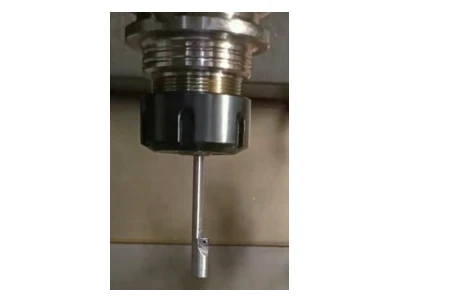

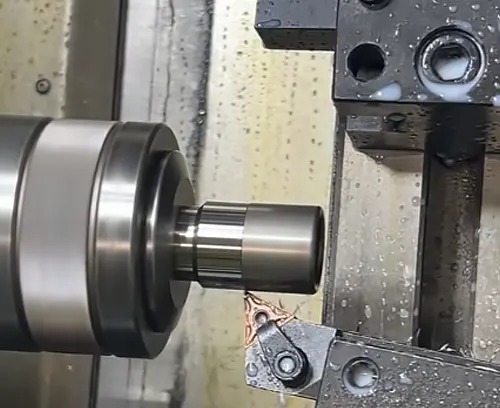

How do you machine a hexagonal hole in metal or plastic?
When manufacturing precision components, one common challenge is creating intricate shapes, such as hexagonal holes. While drilling a round hole is relatively straightforward, machining a hexagonal hole requires more finesse and attention to detail.
Understanding the Basics of Hexagonal Holes
Before delving into the machining process, it is essential to understand the characteristics of a hexagonal hole. A hexagon is a polygon with six sides and six angles.
When machined into a material, a hexagonal hole provides a stable structure and allows for more secure component fastening than a round hole.
Step 1: Design and Planning
The first step in machining a hexagonal hole is to plan and design the process carefully.
Determine the dimensions of the hole, including the size of the flat-to-flat distance and the depth of the hole.
Use CAD software to create a detailed blueprint of the hexagonal hole, ensuring accuracy and precision during machining.
Step 2: Selecting the Right Tooling
Selecting the correct cutting tool is essential for machining a hexagonal hole efficiently.
For metal materials, carbide end mills or drill bits with six cutting edges are ideal for creating the unique shape of a hexagonal hole.
For plastic materials, high-speed steel (HSS) tools can be used for precision cutting.
Step 3: Setting Up the Machining Process
Once the design and tooling are in place, it is crucial to establish the machining process accurately.
Secure the workpiece firmly in place using clamps or a vice to prevent any movement during the cutting operation.
Ensure that the cutting tool is aligned correctly with the design dimensions to achieve the desired hexagonal shape.
Step 4: Machining the Hexagonal Hole
Begin the machining process by carefully lowering the cutting tool onto the workpiece.
Slowly feed the tool into the material, making multiple passes to achieve the full depth of the hole. Monitor the cutting operation closely to prevent overheating and ensure the hexagonal shape remains accurate.
Use coolant or lubricant to improve the cutting efficiency and prolong the tool’s life.
Step 5: Finishing and Inspection
After machining the hexagonal hole, it is essential to inspect the final product for any imperfections or inaccuracies.
Use measuring tools, such as calipers or micrometers, to verify the hole’s dimensions and ensure they meet the design specifications.
If necessary, perform additional finishing operations such as deburring or polishing to enhance the surface quality of the hexagonal hole.
Best Practices for Machining Hexagonal Holes
To achieve optimal results when machining hexagonal holes, consider the following best practices:
- Use cutting fluid or lubricant to reduce friction and heat generation during the cutting operation.
- Monitor the cutting tool for wear and replace it as needed to maintain cutting precision.
- Avoid excessive cutting speeds or feeds, as this can lead to tool breakage or a poor surface finish.
- Ensure proper chip evacuation to prevent chip buildup and potential tool damage.
Conclusion
Machining a hexagonal hole in metal or plastic requires careful planning, the right tooling, and precise execution.
By following the steps outlined in this article and adhering to best practices, engineers and manufacturers can create high-quality components with hexagonal cutouts that meet design specifications and performance requirements.